iOS App
  Android App
 Study tips
Effortful retrieval: when to attempt, check and ask for help
Piply Team
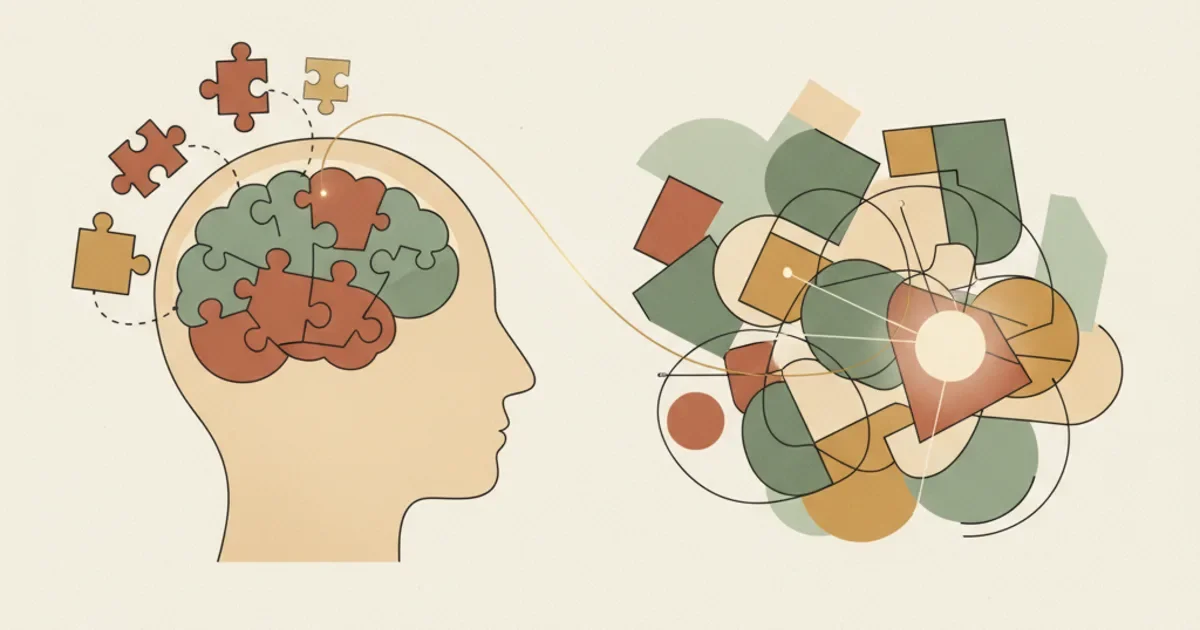
You close the notes and cannot remember an answer. That is a reason to inspect the question and your understanding, not a command to keep struggling indefinitely. Retrieval practice means attempting to bring information to mind. The useful next step may be a cue, a source check or an explanation.
What difficulty does and does not show
Rowland’s review examined testing and retention. Effort can contribute to learning, but greater difficulty is not a reliable score for a practice session. Easy, accurate recall is not a failure. A confusing question, missing background knowledge or anxiety can also make an answer hard to produce.
Kornell and colleagues studied failed attempts followed by answers. Their tasks do not establish that a wrong answer is always better than a correct one. The correction matters; do not deliberately invent errors or rehearse an unchecked guess.
Use an attempt and a source check
- Choose a clear question with a reliable answer and conditions. Match it to a course, certification or work task.
- Attempt an answer before revealing it. Record what you can produce and which part is uncertain.
- If you remain stuck, use a cue, review the relevant explanation or ask for help. Compare your answer with the source and correct it.
- Try the corrected idea again when appropriate, including a related application if that is the goal. Record the result and choose the next practice task.
There is no universal number of seconds to wait. Looking at an explanation can be the right move, especially if you have not learned the procedure. Repeated failure should prompt a change in support or question design, rather than harder attempts for their own sake.
Keep practice useful
Choose a manageable amount of material and an accessible response format. You can write, speak or perform a relevant task; fluency alone does not prove accuracy. Take a break or change the task if distress is getting in the way. If Piply drafts questions, check their wording, answer and explanation against the original materials before using the result to decide what you know. Judge practice by checked performance over time, not by how uncomfortable it feels.
Put the ideas into practice
Use Piply to organize materials and practise what you’re learning.
Try Piply