iOS App
 Android App
AI learning
AI Tutor for Students: What It Teaches Well and Where It Lets You Down
Piply Team
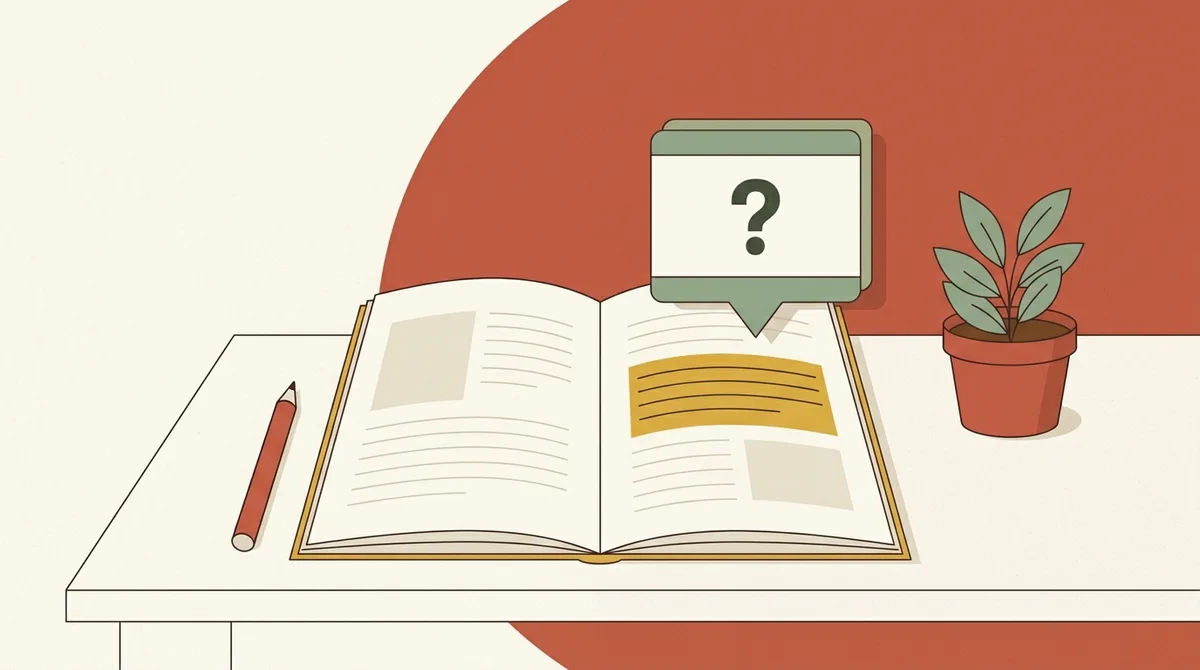
A tutor that only answers is a fast textbook. One that asks you something before it moves on is closer to the real thing, and that's what's worth looking for in an AI tutor.
People get excited about tutoring because of Benjamin Bloom's 1984 paper, which reported that one-to-one teaching beat a normal classroom by a wide margin. Later reviews found a smaller gain (still a real one), and the idea resurfaces every time a new tool shows up. What a human tutor does that a chatbot doesn't, by default, is notice when you're lost: they ask a question and change tack if the answer's wrong.
What an AI tutor does well
It never tires of "wait, say that again." Ask the same thing four times at 1 a.m. and nobody sighs. And it'll reword a dense paragraph to match where you're at, although that's the easy part. But the follow-up question is the hard part, and plenty of tools skip it.
Where it lets you down
Confidently wrong answers, mostly. A tutor can explain something that sounds right and isn't, and you won't catch it, because you came to learn the thing in the first place. The other trap is a course mismatch: the tutor teaches the textbook version while your lecturer teaches another, so you wind up studying the wrong thing very efficiently.
(Tutors that just hand you the solution are a separate problem. We wrote about that in how to use an AI homework helper.)
A two-minute test
Pick a topic you half know. Ask the tutor to teach it, then to quiz you on it. If it lectures for three screens and never asks anything, close the tab.
Two other things are worth checking: whether it works from your own files, and whether you can see which page an explanation came from. If it can't show a source, treat everything it says as a draft.
Where Piply fits
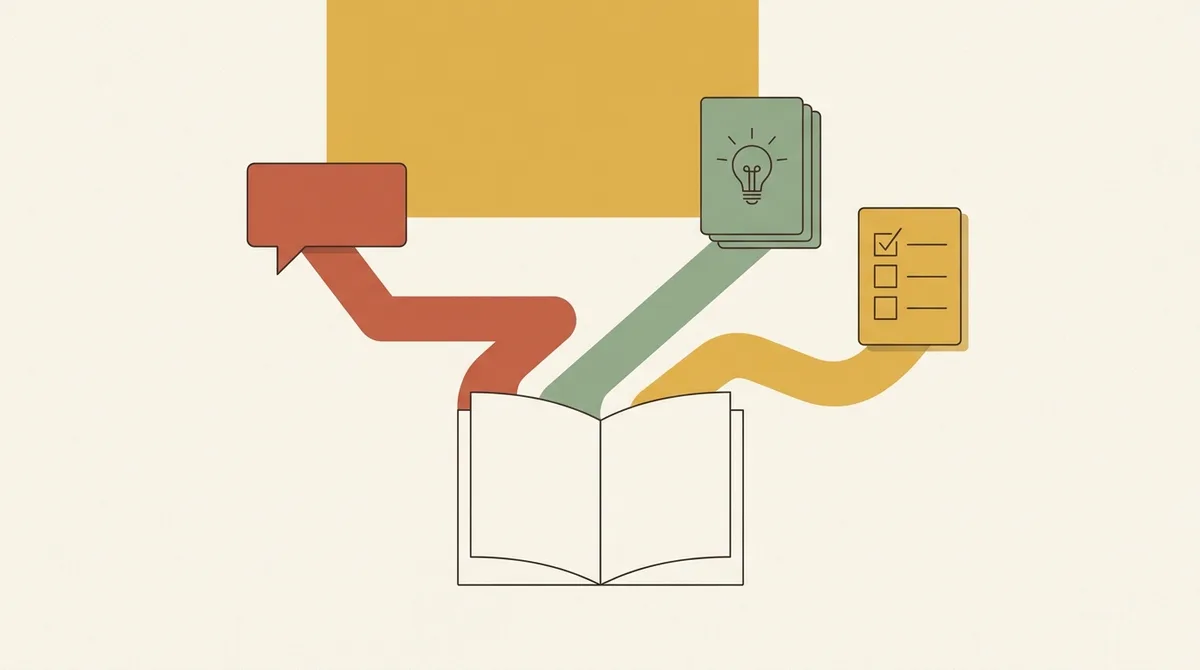
Piply's Tutor teaches one idea at a time from whatever you've uploaded, with a page reference for each explanation so you can check it, and flashcards and quizzes get built from that same document. It won't replace your lecturer. Compare what it says with your course material anyway.
Put the ideas into practice
Use Piply to organize materials and practise what you’re learning.
Try Piply